
At a glance
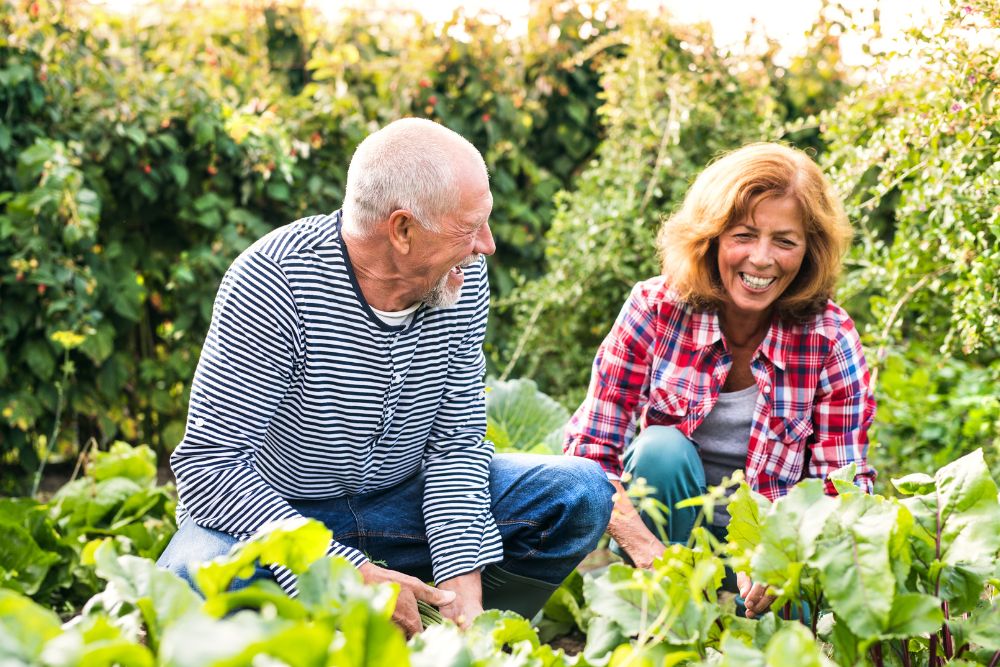
- Regular gardening is linked with better mood, lower stress and sharper thinking in later life.
- Spending around 2 hours a week in nature is associated with better health and wellbeing and for many, the garden is the easiest way to get that “dose”.
- A well-designed, well-kept garden can improve saleability and sometimes command a noticeable premium.
- Treat the garden as part of your retirement plan: budget sensibly, protect your “wellness time” and line up cashflow for any bigger projects.
Why gardens lift mood, ease anxiety and keep minds sharp
There’s strong UK evidence that gardens support mental health. The King’s Fund’s review links gardens and gardening with improved mood, self-esteem and stress reduction across age groups. RHS research with the University of Sheffield shows even greening bare front gardens reduces psychological and physiological stress.
The widely cited “120 minutes a week in nature” study (based on a nationally representative sample), links regular time outdoors with better self-reported health and wellbeing, and for many people the back garden is the easiest way to get that time. Research also connects gardening with sharper thinking in later life, while controlled reviews of horticultural therapy report cognitive benefits for older adults, including those living with dementia.
From plot to plate: healthier diets (and realistic savings)
“Grow your own” isn’t just nice to have. A University of Sheffield study tracking UK households for a year found home growers can produce 51% of their veg and 20% of their fruit, eat more fruit/veg than average and waste less.
Allotment holders eat 6.5 portions/day — roughly 70% higher than the UK average.
House of Lords horticulture inquiry
How much money you save varies with what you grow and how you set up. To keep costs down, the RHS has practical, evidence-based money-saving tips (seed saving, low-cost sowing, smart plant choices).
Money-smart crops for Cirencester patios and plots
- Cut and come again salads (little and often sowing from spring to early autumn).
- Tomatoes & chillies (great value; consider blight-resistant outdoor types or a simple cold frame).
- Soft fruit (strawberries, raspberries, currants repay modest set-up with years of harvest).
- Herbs (basil, parsley, mint, chives = big flavour, tiny cost).
- Perennial anchors (rhubarb, asparagus for longevity).
The property upside: the green way to add value
No one can promise an exact uplift on every street, but market commentary suggests attractive, functional gardens enhance appeal and can command meaningful premiums, particularly in the country house market where established, biodiverse gardens are prized. Treat it as a quality of life win today with potential resale benefits tomorrow. Financial Times
A purposeful pastime for the “third age”
Social historian Peter Laslett described the “third age” as the life stage after full-time work and child-rearing, a period to design days around purpose and fulfilment. Gardening fits that vision: creative, absorbing, social and good for body and mind.
The NHS is also backing green social prescribing, connecting people to community gardening and nature-based activities to support mental health and reduce loneliness. Gloucestershire is part of this movement.
Local resources
Start close to home. These Cirencester links help you find an allotment, join friendly clubs, swap plants, sharpen tools and pick up composting support — practical, low-cost ways to grow more and feel part of the community.
- Allotments — Cirencester Town Council manages four sites and takes applications direct; the District Council lists locations and Bathurst Estate plots too. There’s also a small private site at Barton Lane.
- Clubs & societies — Join Cirencester Gardening Club (Stratton & Baunton Horticultural Society) for talks, visits and friendly learning.
- Volunteer gardening — Phoenix Gardeners help plant and care for tubs and beds around town. A relaxed way to meet people and green up Cirencester.
- Composting and garden waste — Get a CDC garden waste licence or book recycling centres; for home composting know how, tap the Gloucestershire Master Composter scheme.
- Swap, share and repair — Local Facebook groups like “Cirencester Gardeners’ Exchange” are great for free plants and kit; Cirencester Repair Café often offers tool sharpening.
- Community kitchen garden — Roots + Seeds Kitchen Garden runs community growing activities and a “produce for a voucher” scheme linked with Cirencester Pantry.

Designing for wellness: what to prioritise
To make the garden work for your wellbeing (and your budget), prioritise these simple, high-impact ideas first.
- A seat you’ll actually use — put it where the sun is kind and the view is pleasing.
- Scent and sound — lavender by paths, grasses that move, a small fountain or bird bath.
- Biodiversity — mix shrubs, perennials and pollinator-friendly flowers for year-round interest and easier care.
- Edibles you love — basil on the steps, strawberries for breakfast, thyme near the barbecue.
- Gentle routines — a weekly deadhead, a Sunday feed, 10 minutes of mindful pottering most days.
These choices align with the wellbeing gains seen in the research, and the RHS offers budget-friendly ways to achieve them.
Joining the dots with your financial plan
Gardening rewards modest, regular investment and benefits from a bit of planning, just like the rest of your finances.
Budget the set-up, then enjoy low running costs
Plan a simple first-year budget (soil/compost, a few tools, containers or a raised bed). Costs typically fall after year one, especially if you save seed, make compost and collect rainwater. See the RHS for money-saving ideas.
Think in seasons and cashflow
Spread costs through the year and match bigger purchases (e.g. small greenhouse, landscaping) to planned cashflow from savings. If you’re retired, we can help map these spends alongside pension withdrawals so your tax position stays efficient.
Protect the “wellness time”
Clients often tell us the garden is their anchor. In retirement planning we treat that time as non-negotiable, which can influence decisions about part-time work, volunteering and travel.
Plan for the property premium
If you intend to sell within a few years, a tidy, low-maintenance garden can widen buyer appeal. If you expect to stay, design for ease so you can keep enjoying the space well into later life. Commentary suggests notable premiums where the garden is a destination in its own right. Financial Times
Ready to weave your garden into a confident retirement plan?
We’re an independent, Chartered financial planning firm in Cirencester. We’ll help you shape a plan that funds the lifestyle you want, including the time and budget to grow.
- Book a friendly chat → abodefinancial.co.uk/contact-us
- Retirement planning → abodefinancial.co.uk/service/retirement-planning/
- Pension advice → abodefinancial.co.uk/service/pension-advice-cirencester/
- Investment management → abodefinancial.co.uk/service/investment-management/

Multiple pension pots? What to check before consolidating
How we keep this page current: We review this page at least every six months, or sooner after changes to...
Read more
Can I retire and still work in the UK?
Reviewed by: Daniel Boden, Chartered Independent Financial Planner, Abode Financial Planning, an FCA authorised firm based in Cirencester. At a glance Yes,...
Read more
Top Cotswold retirement activities for 2026
At a glance Make the most of peak colour with arboretum visits, easy local walks and sociable guided rambles. Pre-book...
Read more