
Retirement planning Cirencester

Is retirement good for your health?

At a glance


  • Many people report higher life satisfaction after retirement.
  • Physical activity, social connection and purpose are key to wellbeing.
  • Financial security helps reduce stress and support healthier choices.
  • The healthiest retirements combine lifestyle planning with financial planning.

Does retirement improve your health?


For many people retirement improves mental wellbeing because work related stress falls and people gain greater control over their time. However long-term health outcomes depend on lifestyle choices such as staying active, maintaining social connections and having financial security. Retirement tends to be healthiest when people remain engaged, active and financially confident.

What is a healthy retirement?


A healthy retirement means maintaining physical activity, strong social connections and financial security after leaving work. These factors are closely linked to long term wellbeing, independence and life satisfaction in later life.

What the evidence says about retirement and health


Retirement is one of the most significant life transitions. For some people it brings relief from deadlines and pressure. For others the early months can feel uncertain as routines change.


Research suggests the overall impact on wellbeing is generally positive, but outcomes vary depending on personal circumstances.


Analysis from the Office for National Statistics shows that personal wellbeing tends to be highest between the ages of 65 and 74. Many people report greater life satisfaction during these years compared with midlife.


Academic research from the University of Edinburgh has also found that mental wellbeing often improves after retirement, particularly when people retire voluntarily and have strong social support networks.


However the benefits are not automatic. Physical health outcomes depend heavily on lifestyle factors such as activity levels, social engagement and financial security.


In simple terms retirement can be very good for your health when the extra freedom is used to build positive routines.

Retirement health


Physical health in retirement


One of the greatest advantages of retirement is time. Without the demands of full time work it becomes easier to prioritise physical wellbeing.


The NHS recommends older adults aim to be active daily, include strength and balance activities twice each week, and build towards around 150 minutes of moderate activity weekly.


Examples include:

  • brisk walking
  • cycling
  • swimming
  • yoga or pilates
  • gardening.


Strength and balance exercises are particularly important because they help maintain mobility and reduce the risk of falls.


For those living in Cirencester and the wider Cotswolds, staying active can be genuinely enjoyable. Walking groups such as the Cirencester Ramblers organise regular guided walks throughout the area. The Churn Project also runs a weekly Sociable Stroll designed to combine gentle exercise with social interaction.


The most important factor is consistency. Activities that are enjoyable are far more likely to become long term habits.

Mental health in retirement


Retirement changes more than your daily schedule. It can also affect social contact and sense of purpose.


Many people welcome the reduction in work related pressure. However, it is common to miss the routine and social interaction that employment provides.


Loneliness can have a significant impact on wellbeing. The Health Survey for England reports that around 22 percent of adults experience loneliness at least occasionally. Age UK and the Mental Health Foundation both highlight that loneliness among older adults can often go unrecognised.


Regular social contact and meaningful activities are strong protective factors.


In Cirencester organisations such as the U3A offer a wide range of learning groups for people no longer in full time work. These groups allow people to develop new interests while building friendships.


Volunteering is another powerful way to maintain purpose. Organisations such as the Corinium Museum in Cirencester regularly welcome volunteers who want to support local heritage while connecting with others.


We explore more opportunities in our guide to volunteering in Cirencester.


If you experience ongoing low mood or anxiety after retirement, it is important to speak with your GP. Adjusting to retirement can take time and support is available.

How to stay healthy in retirement


Many retirees find that creating a gentle weekly routine supports both physical and mental wellbeing.

Common change after work ends A healthy replacement
Less routine and fewer social interactions
Regular meet ups with friends and community groups
More sitting and screen time
Daily walks or planned exercise sessions
Loss of work identity or purpose
Volunteering, hobbies, mentoring or learning


The goal is not rigid scheduling but building a rhythm that keeps you active and engaged.

 

Emily whittaker and daniel boden

What is retirement income planning?


Retirement income planning is the process of turning pensions, savings and investments into a sustainable income throughout retirement while managing tax, longevity and investment risks.


Understanding how your savings translate into retirement income can make a significant difference to peace of mind. Our Essential Guide to Retirement Income Planning explains how sustainable retirement income strategies work in practice.


If you are approaching retirement our Retirement Checklist outlines the key steps to review before leaving work.

Staying healthy in retirement in Cirencester and the Cotswolds


Retiring in the Cotswolds offers lifestyle advantages that support wellbeing.


The region provides:

  • countryside for walking and cycling
  • strong community groups
  • volunteering and learning opportunities
  • cultural attractions and local clubs


These factors make it easier to stay active, connected and engaged during retirement.


Combining these lifestyle opportunities with a clear financial plan can help create a healthy and fulfilling retirement.

Planning a healthy retirement


Retirement should be a stage of life where you have the freedom to focus on what matters most.


Staying active, maintaining strong relationships and having a clear financial plan all contribute to long term wellbeing.


At Abode Financial Planning we help individuals and families approaching retirement build sustainable plans that support both financial security and quality of life.
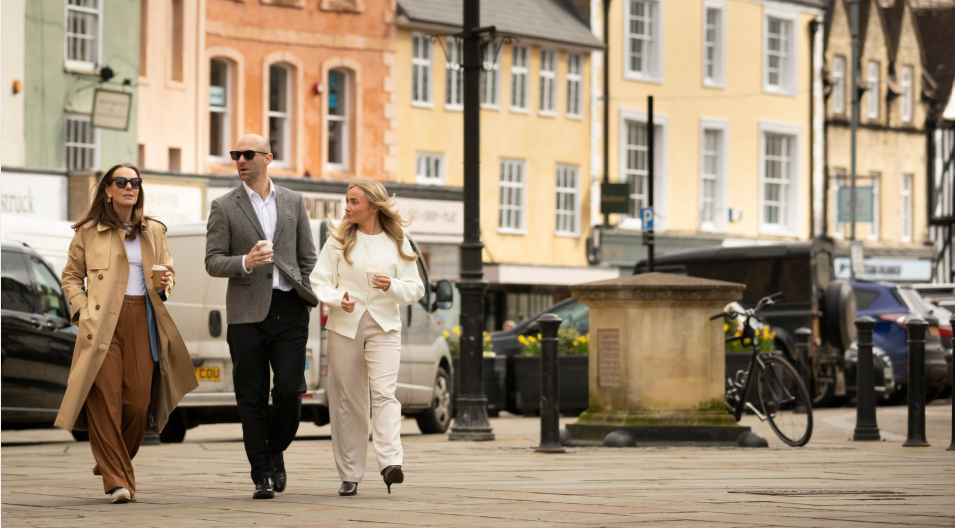
 

Planning a healthy retirement

Frequently asked questions

For many people retirement reduces work related stress and improves mental wellbeing. However, the long-term impact depends on lifestyle factors such as staying active, maintaining social connections and having financial security.

Reduced physical activity, social isolation and financial stress are among the most common challenges.

Financial planning can reduce uncertainty and anxiety about the future. When people feel confident about their finances they are more likely to focus on lifestyle choices that support wellbeing.

Evidence and sources


This article references research and guidance from:


About the author


This article was written and reviewed by the team at Abode Financial Planning, a Chartered independent financial planning firm based in Cirencester. We specialise in helping business owners and professionals approaching retirement build clear and sustainable financial plans

Important: This article is for general information only and does not constitute personal financial advice. Tax and pension rules may change and depend on individual circumstances. Investments can fall as well as rise and you may get back less than you invest. Consider seeking regulated financial advice before making decisions.

You might also be interested in...


Business owners

Pension contributions for high earners

25 June 2026

At a glance The standard annual allowance is £60,000 for 2026/27.High earners may have a lower allowance if threshold income is...

Read more
Tax planning

How to reduce an Inheritance Tax bill

24 June 2026

At a glance Inheritance Tax is usually charged at 40% on the part of your estate above your available allowances. The main...

Read more
Retirement planning

Understanding the pension lifetime allowance changes

18 June 2026

At a glance The Lifetime Allowance (LTA) has been abolished. There’s no overall cap on the size of your pension...

Read more